Uzbekistan Emerges as a New Investment Frontier
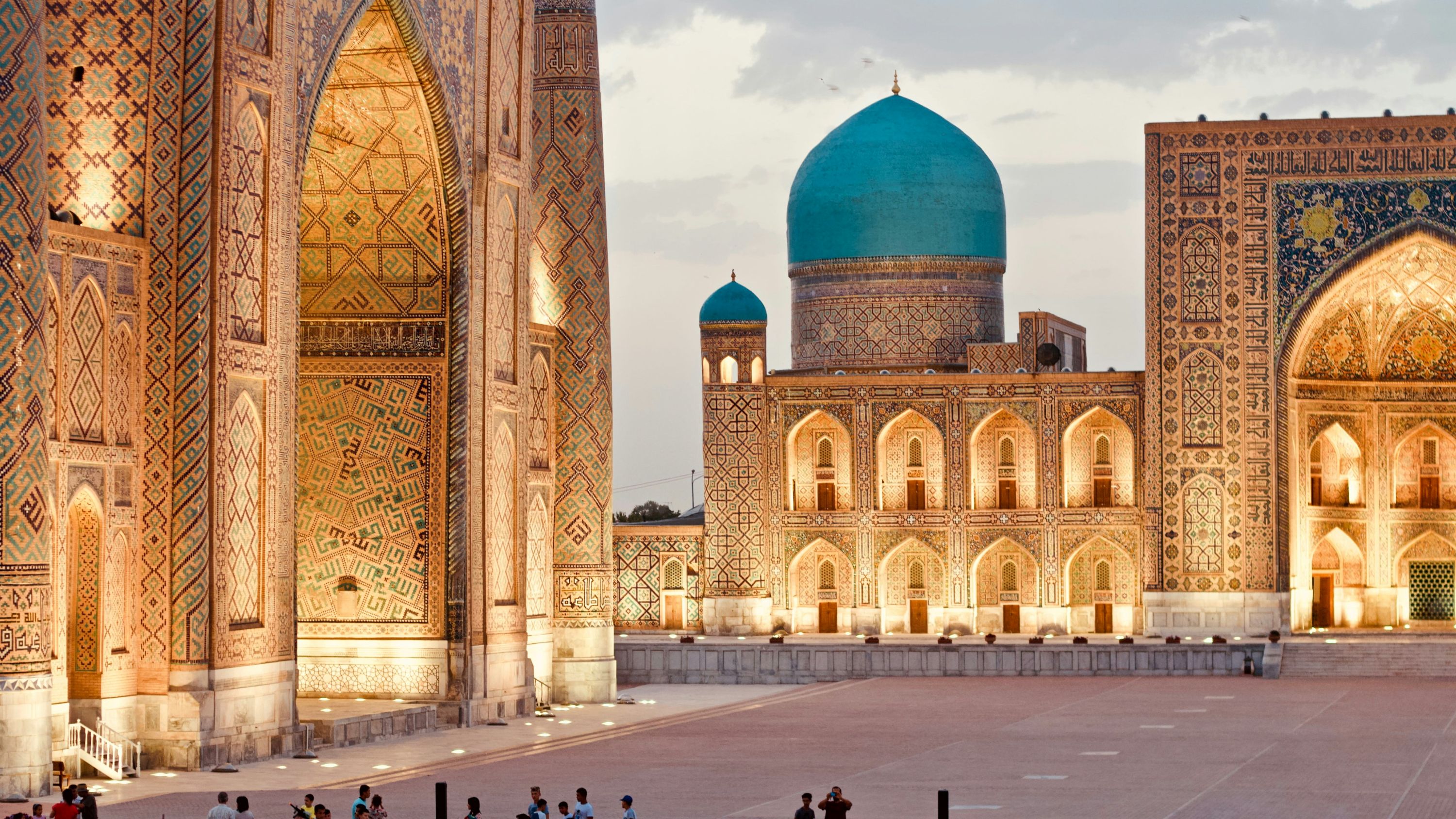
Uzbekistan is increasingly attracting the attention of international investors as years of economic reforms begin to open one of Central Asia’s largest economies to foreign capital.
The country has recorded strong economic growth, with the IMF projecting 6.8% growth in 2026. Foreign direct investment has also increased significantly, rising from about $2.3 billion in 2021 to $4.4 billion in 2025, according to Reuters. The government has been loosening restrictions on foreign investment, improving currency flexibility and pursuing greater integration with global markets.
Privatization is another major attraction. Uzbekistan is reducing the role of the state in parts of the economy and preparing state-owned businesses for greater private participation. Its National Investment Fund, managed by Franklin Templeton, completed an IPO in May that raised more than $600 million, with international investors among those participating.
The opportunity extends beyond traditional industries. The World Bank Group has identified logistics, tourism and pharmaceuticals as sectors where reforms could unlock between $5.2 billion and $6.4 billion in private investment and create more than 300,000 jobs over the medium term.
However, investors are not ignoring the risks. State-owned enterprises still account for more than 30% of GDP, while bureaucracy, limited access to finance and skills shortages remain obstacles for private businesses.
For international investors, Uzbekistan is therefore becoming a market defined by both opportunity and execution risk. The key test will be whether the government can maintain its reform momentum and create the stable, competitive environment needed to turn growing investor interest into sustained private capital.